The gods, goddesses and idols the Bible names, from Baal to Zeus, with the verses that name them.
Pick a group, then a name.
Each card gives the name as the American Standard Version prints it, its Hebrew or Greek letters, what the name means in the dictionaries, the verse that names it, and the verses’ own words about who served it. For the main gods a History part gives a few facts from outside the Bible, each with its source. The 39 cards are grouped by the people or land the verses connect them with.
“Ashtoreth the goddess of the Sidonians”
(1 Kings 11:5)
“And it came to pass, as if it had been a light thing for him to walk in the sins of Jeroboam the son of Nebat, that he took to wife Jezebel the daughter of Ethbaal king of the Sidonians, and went and served Baal, and worshipped him.”
1 Kings 16:31 (ASV). Open the verse
Say it: ba-al
BDB: "lord"
Strong’s (H1168): the same as H1167 (בַּעַל)
First in: Judges 2:11 Open the verse
Say it: Baal
Strong’s (G896): of Hebrew origin (H1168)
BDB, for the Hebrew name בַּעַל (H1168): "lord"
First in: Romans 11:4 Open the verse
Say it: ba-al pe-or
Strong’s (H1187): from H1168 (בַּעַל) and H6465 (פְּעוֹר); Baal of Peor
First in: Numbers 25:3 Open the verse
“they forsook Jehovah, and served Baal and the Ashtaroth”(Judges 2:13). Open the verse
“Israel joined himself unto Baal-peor”(Numbers 25:3). Open the verse

Named in 70 verses in STEPBible’s count. First named in Numbers 25:3. Open the verse
“And it came to pass, as soon as Gideon was dead, that the children of Israel turned again, and played the harlot after the Baalim, and made Baal-berith their god.”
Judges 8:33 (ASV). Open the verse
Say it: ba-al be-rit
BDB: "lord of the covenant"
Strong’s (H1170): from H1168 (בַּעַל) and H1285 (בְּרִית); Baal of (the) covenant
First in: Judges 8:33 Open the verse
“the house of Baal-berith”(Judges 9:4). Open the verse
Named in 3 verses in STEPBible’s count. First named in Judges 8:33. Open the verse
“Now therefore send, and gather to me all Israel unto mount Carmel, and the prophets of Baal four hundred and fifty, and the prophets of the Asherah four hundred, that eat at Jezebel’s table.”
1 Kings 18:19 (ASV). Open the verse
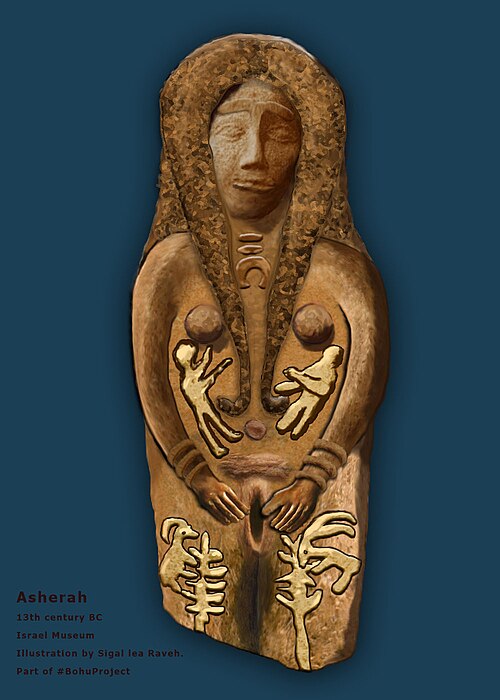
Say it: a-she-rah
BDB: "groves (for idol worship)"
Strong’s (H842): or אֲשֵׁירָה; from H833 (אָשַׁר); happy
First in: Exodus 34:13 Open the verse
Say it: a-she-rah
BDB: "groves (for idol worship)"
Strong’s (H842): or אֲשֵׁירָה; from H833 (אָשַׁר); happy
First in: Judges 3:7 Open the verse
The same word is used for wooden poles or trees set up for her (the Asherim). “Thou shalt not plant thee an Asherah of any kind of tree beside the altar of Jehovah thy God, which thou shalt make thee.”
(Deuteronomy 16:21). Open the verse
BDB: sacred trees or poles set up near an altar.
“served the Asherim and the idols”(2 Chronicles 24:18). Open the verse

Named in 40 verses in STEPBible’s count. First named in Exodus 34:13. Open the verse
“For Solomon went after Ashtoreth the goddess of the Sidonians, and after Milcom the abomination of the Ammonites.”
1 Kings 11:5 (ASV). Open the verse
Say it: ash-to-ret
BDB: "star"
Strong’s (H6253): probably for H6251 (עַשְׁתְּרָה)
First in: 1 Kings 11:5 Open the verse
“have worshipped Ashtoreth the goddess of the Sidonians”(1 Kings 11:33). Open the verse

Named in 3 verses in STEPBible’s count. First named in 1 Kings 11:5. Open the verse
“And they forsook Jehovah, and served Baal and the Ashtaroth.”
Judges 2:13 (ASV). Open the verse
Say it: ash-ta-rot
BDB: "star"
Strong’s (H6252): or עַשְׁתָּרֹת; plural of H6251 (עַשְׁתְּרָה)
First in: Judges 2:13 Open the verse
Named in 6 verses in STEPBible’s count. First named in Judges 2:13. Open the verse
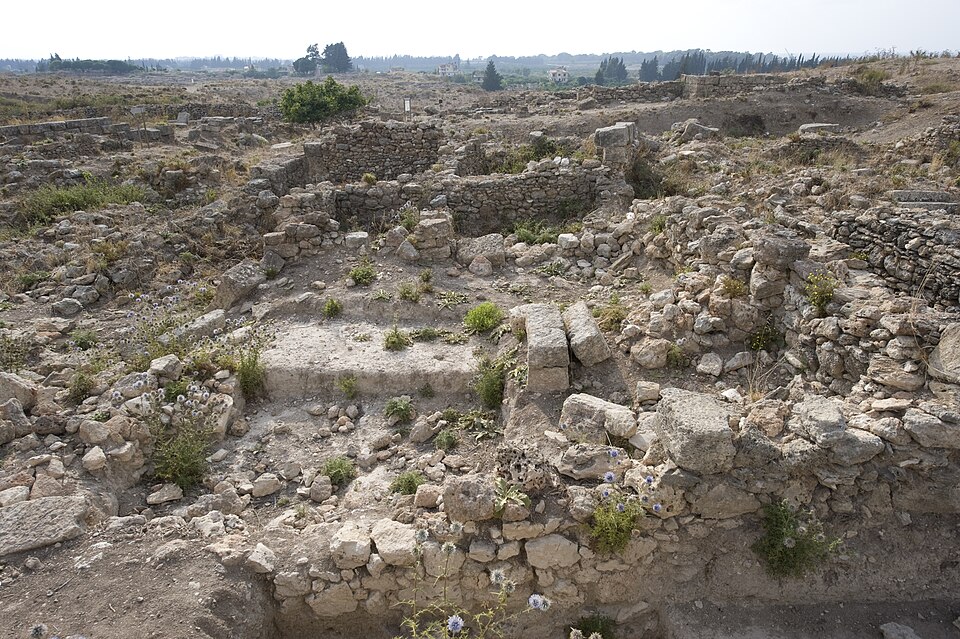
“the lords of the Philistines”
(Judges 16:23)
“And the lords of the Philistines gathered them together to offer a great sacrifice unto Dagon their god, and to rejoice; for they said, Our god hath delivered Samson our enemy into our hand.”
Judges 16:23 (ASV). Open the verse
Say it: da-gon
BDB: "a fish"
Strong’s (H1712): from H1709 (דָּג); the fish-god
First in: Judges 16:23 Open the verse
“brought it into the house of Dagon”(1 Samuel 5:2). Open the verse

Named in 7 verses in STEPBible’s count. First named in Judges 16:23. Open the verse
“And Ahaziah fell down through the lattice in his upper chamber that was in Samaria, and was sick: and he sent messengers, and said unto them, Go, inquire of Baal-zebub, the god of Ekron, whether I shall recover of this sickness.”
2 Kings 1:2 (ASV). Open the verse
Say it: ba-al ze-vuv
BDB: "lord of the fly"
Strong’s (H1176): from H1168 (בַּעַל) and H2070 (זְבוּב); Baal of (the) Fly
First in: 2 Kings 1:2 Open the verse
Named in 4 verses in STEPBible’s count. First named in 2 Kings 1:2. Open the verse
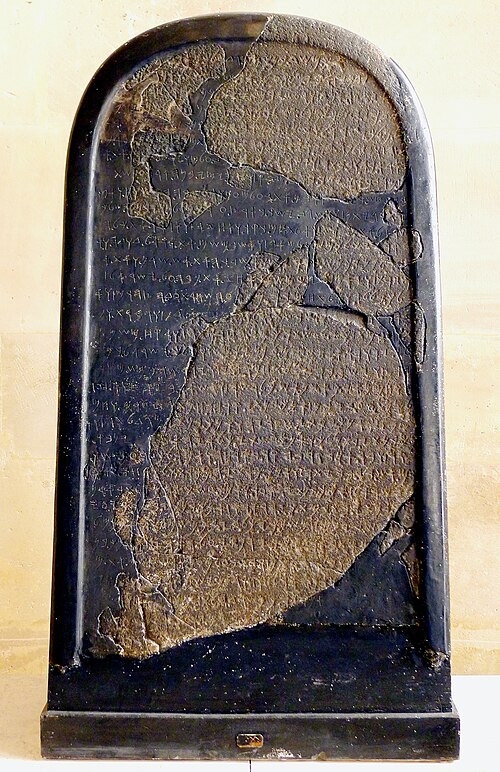
“Chemosh the abomination of Moab”
(1 Kings 11:7)
“Then did Solomon build a high place for Chemosh the abomination of Moab, in the mount that is before Jerusalem, and for Molech the abomination of the children of Ammon.”
1 Kings 11:7 (ASV). Open the verse
Say it: ke-mosh
BDB: "subduer"
Strong’s (H3645): or (Jeremiah 48:7) כְּמִישׁ; from an unused root meaning to subdue; the powerful
First in: Numbers 21:29 Open the verse
“O people of Chemosh”(Numbers 21:29). Open the verse
“Chemosh the god of Moab”(1 Kings 11:33). Open the verse

Named in 8 verses in STEPBible’s count. First named in Numbers 21:29. Open the verse
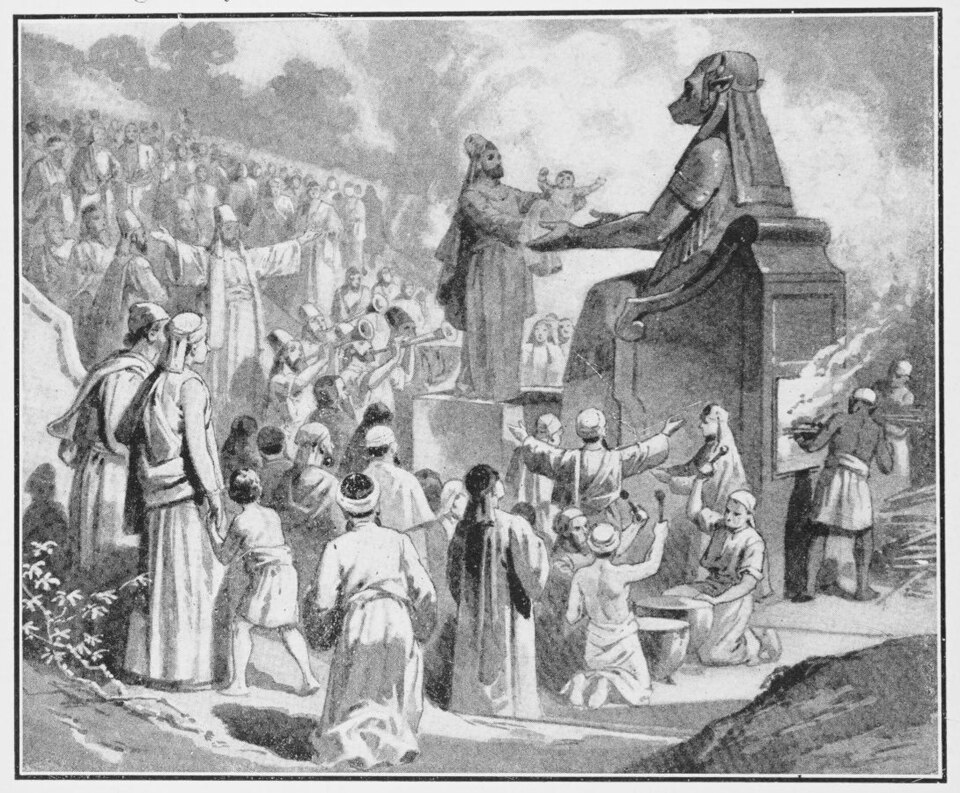
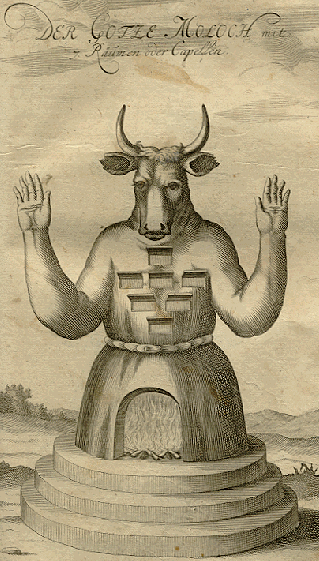
“Then did Solomon build a high place for Chemosh the abomination of Moab, in the mount that is before Jerusalem, and for Molech the abomination of the children of Ammon.”
1 Kings 11:7 (ASV). Open the verse
Other spellings it prints: Milcom (1 Kings 11:5); Malcam (Zephaniah 1:5); Moloch (Acts 7:43).
Say it: mo-lekh
BDB: "king"
Strong’s (H4432): from H4427 (מָלַךְ)
First in: Leviticus 18:21 Open the verse
Say it: mil-kom
Strong’s (H4445): or מִלְכּוֹם; from H4428 (מֶלֶךְ) for H4432 (מֹלֶךְ)
First in: 1 Kings 11:5 Open the verse
Say it: me-lekh
King James Version spelling: Malcham
Strong’s (H4428): from H4427 (מָלַךְ)
First in: Zephaniah 1:5 Open the verse
Say it: Moloch
Strong’s (G3434): of Hebrew origin (H4432)
BDB, for the Hebrew name מֹ֫לֶךְ (H4432): "king"
First in: Acts 7:43 Open the verse
“after Milcom the abomination of the Ammonites”(1 Kings 11:5). Open the verse
“to cause their sons and their daughters to pass through the fire unto Molech”(Jeremiah 32:35). Open the verse


Named in 13 verses in STEPBible’s count. First named in Leviticus 18:21. Open the verse
“the king of Syria”
(2 Kings 5:1)
“In this thing Jehovah pardon thy servant: when my master goeth into the house of Rimmon to worship there, and he leaneth on my hand, and I bow myself in the house of Rimmon, when I bow myself in the house of Rimmon, Jehovah pardon thy servant in this thing.”
2 Kings 5:18 (ASV). Open the verse
Say it: rim-mon
BDB: "pomegranate"
Strong’s (H7417): or (shorter) (רִמֹּן; or רִמּוֹנוֹ; (1 Chronicles 6:62 (H77 (אֶבֶץ))), the same as H7416 (רִמּוֹן); in Joshua 19:13: הַמְּתֹאָר is mistaken for part of a name; article with the passive participle of H8388 (תָּאַר); the (one) marked off, i.e. which pertains).
First in: 2 Kings 5:18 Open the verse

Named in 1 verse in STEPBible’s count. First named in 2 Kings 5:18. Open the verse
“Amon of No, and Pharaoh, and Egypt”
(Jeremiah 46:25)
“Jehovah of hosts, the God of Israel, saith: Behold, I will punish Amon of No, and Pharaoh, and Egypt, with her gods, and her kings; even Pharaoh, and them that trust in him:”
Jeremiah 46:25 (ASV). Open the verse
Say it: a-mon
BDB: "to nourish: to be faithful"
Strong’s (H528): of Egyptian derivation; used only as an adjunct of H4996 (נֹא)
First in: Jeremiah 46:25 Open the verse

Named in 2 verses in STEPBible’s count. First named in Jeremiah 46:25. Open the verse
“Babylon is taken, Bel is put to shame”
(Jeremiah 50:2)
“And it came to pass, as he was worshipping in the house of Nisroch his god, that Adrammelech and Sharezer smote him with the sword: and they escaped into the land of Ararat. And Esar-haddon his son reigned in his stead.”
2 Kings 19:37 (ASV). Open the verse
Say it: nis-rokh
BDB: "the great eagle"
Strong’s (H5268): of foreign origin
First in: 2 Kings 19:37 Open the verse
Named in 2 verses in STEPBible’s count. First named in 2 Kings 19:37. Open the verse
“Declare ye among the nations and publish, and set up a standard; publish, and conceal not: say, Babylon is taken, Bel is put to shame, Merodach is dismayed; her images are put to shame, her idols are dismayed.”
Jeremiah 50:2 (ASV). Open the verse
Say it: bel
BDB: "lord"
Strong’s (H1078): by contraction for H1168 (בַּעַל)
First in: Isaiah 46:1 Open the verse
“I will execute judgment upon Bel in Babylon”(Jeremiah 51:44). Open the verse

Named in 3 verses in STEPBible’s count. First named in Isaiah 46:1. Open the verse
“Declare ye among the nations and publish, and set up a standard; publish, and conceal not: say, Babylon is taken, Bel is put to shame, Merodach is dismayed; her images are put to shame, her idols are dismayed.”
Jeremiah 50:2 (ASV). Open the verse
Say it: me-ro-dakh
BDB: "thy rebellion"
Strong’s (H4781): of foreign derivation
First in: Jeremiah 50:2 Open the verse
BDB describes it as: the chief deity of the Babylonians in the time of Nebuchadnezzar.
Named in 1 verse in STEPBible’s count. First named in Jeremiah 50:2. Open the verse
“Bel boweth down, Nebo stoopeth; their idols are upon the beasts, and upon the cattle: the things that ye carried about are made a load, a burden to the weary beast.”
Isaiah 46:1 (ASV). Open the verse
Say it: ne-vo
BDB: "prophet"
Strong’s (H5015): probably of foreign derivation
First in: Isaiah 46:1 Open the verse
Named in 1 verse in STEPBible’s count. First named in Isaiah 46:1. Open the verse
“every nation made gods of their own”
(2 Kings 17:29)
The peoples the king of Assyria brought to live in Samaria, as 2 Kings 17 tells it.
“And the men of Babylon made Succoth-benoth, and the men of Cuth made Nergal, and the men of Hamath made Ashima,”
2 Kings 17:30 (ASV). Open the verse
Say it: suk-kot be-not
BDB: "the daughter's booth"
Strong’s (H5524): from H5523 (סֻכּוֹת) and the (irregular) plural of H1323 (בַּת)
First in: 2 Kings 17:30 Open the verse
“the men of Babylon made Succoth-benoth”(2 Kings 17:30). Open the verse
Named in 1 verse in STEPBible’s count. First named in 2 Kings 17:30. Open the verse
“And the men of Babylon made Succoth-benoth, and the men of Cuth made Nergal, and the men of Hamath made Ashima,”
2 Kings 17:30 (ASV). Open the verse
Say it: ne-re-gal
BDB: "hero"
Strong’s (H5370): of foreign origin
First in: 2 Kings 17:30 Open the verse
“the men of Cuth made Nergal”(2 Kings 17:30). Open the verse

Named in 1 verse in STEPBible’s count. First named in 2 Kings 17:30. Open the verse
“And the men of Babylon made Succoth-benoth, and the men of Cuth made Nergal, and the men of Hamath made Ashima,”
2 Kings 17:30 (ASV). Open the verse
Say it: a-shi-ma
BDB: "guiltiness: I will make desolate"
Strong’s (H807): of foreign origin
First in: 2 Kings 17:30 Open the verse
“the men of Hamath made Ashima”(2 Kings 17:30). Open the verse
Named in 1 verse in STEPBible’s count. First named in 2 Kings 17:30. Open the verse
“and the Avvites made Nibhaz and Tartak; and the Sepharvites burnt their children in the fire to Adrammelech and Anammelech, the gods of Sepharvaim.”
2 Kings 17:31 (ASV). Open the verse
Say it: niv-chaz
BDB: "the barker"
Strong’s (H5026): of foreign origin
First in: 2 Kings 17:31 Open the verse
“the Avvites made Nibhaz and Tartak”(2 Kings 17:31). Open the verse
Named in 1 verse in STEPBible’s count. First named in 2 Kings 17:31. Open the verse
“and the Avvites made Nibhaz and Tartak; and the Sepharvites burnt their children in the fire to Adrammelech and Anammelech, the gods of Sepharvaim.”
2 Kings 17:31 (ASV). Open the verse
Say it: tar-taq
BDB: "prince of darkness"
Strong’s (H8662): of foreign derivation
First in: 2 Kings 17:31 Open the verse
“the Avvites made Nibhaz and Tartak”(2 Kings 17:31). Open the verse
Named in 1 verse in STEPBible’s count. First named in 2 Kings 17:31. Open the verse
“and the Avvites made Nibhaz and Tartak; and the Sepharvites burnt their children in the fire to Adrammelech and Anammelech, the gods of Sepharvaim.”
2 Kings 17:31 (ASV). Open the verse
Another man of this name, a son of Sennacherib, is on the Names of People pages.
Say it: a-de-ram-me-lekh
BDB: "honour of the king" or "Adar is prince" or "Adar is Counsellor, Decider"
Strong’s (H152): from H142 (אָדַר) and H4428 (מֶלֶךְ); splendor of (the) king
First in: 2 Kings 17:31 Open the verse
“the Sepharvites burnt their children in the fire to Adrammelech and Anammelech”(2 Kings 17:31). Open the verse
Named in 1 verse in STEPBible’s count. First named in 2 Kings 17:31. Open the verse
“and the Avvites made Nibhaz and Tartak; and the Sepharvites burnt their children in the fire to Adrammelech and Anammelech, the gods of Sepharvaim.”
2 Kings 17:31 (ASV). Open the verse
Say it: a-nam-me-lekh
BDB: "image of the king"
Strong’s (H6048): of foreign origin
First in: 2 Kings 17:31 Open the verse
“the Sepharvites burnt their children in the fire to Adrammelech and Anammelech”(2 Kings 17:31). Open the verse
Named in 1 verse in STEPBible’s count. First named in 2 Kings 17:31. Open the verse
“Great is Diana of the Ephesians”
(Acts 19:28)
“And they called Barnabas, Jupiter; and Paul, Mercury, because he was the chief speaker.”
Acts 14:12 (ASV). Open the verse
The American Standard Version prints: Jupiter.
Say it: Zeus, Dis
King James Version spelling: Jupiter
Strong’s (G2203): of uncertain affinity; in the oblique cases there is used instead of it a (probably cognate) name , which is otherwise obsolete
First in: Acts 14:12 Open the verse
“the priest of Jupiter whose temple was before the city”(Acts 14:13). Open the verse

Named in 2 verses in STEPBible’s count. First named in Acts 14:12. Open the verse
“And they called Barnabas, Jupiter; and Paul, Mercury, because he was the chief speaker.”
Acts 14:12 (ASV). Open the verse
The American Standard Version prints: Mercury.
Another man named Hermes, greeted in Romans 16:14, is on the Names of People pages.
Say it: Hermēs
King James Version spelling: Mercurius
Strong’s (G2060): perhaps from G2046 (ἐρέω)
First in: Acts 14:12 Open the verse

Named in 1 verse in STEPBible’s count. First named in Acts 14:12. Open the verse
“And when they heard this they were filled with wrath, and cried out, saying, Great is Diana of the Ephesians.”
Acts 19:28 (ASV). Open the verse
The American Standard Version prints: Diana.
Say it: Artemis
King James Version spelling: Diana
Strong’s (G735): probably from the same as G736 (ἀρτέμων); prompt
First in: Acts 19:24 Open the verse
“whom all Asia and the world worshippeth”(Acts 19:27). Open the verse

Named in 5 verses in STEPBible’s count. First named in Acts 19:24. Open the verse
“And after three months we set sail in a ship of Alexandria which had wintered in the island, whose sign was The Twin Brothers.”
Acts 28:11 (ASV). Open the verse
Say it: Dioskouroi
Strong’s (G1359): from the alternate of G2203 (Ζεύς) and a form of the base of G2877 (κοράσιον); sons of Jupiter
First in: Acts 28:11 Open the verse
The Greek letters are copied from Strong’s dictionary.
“These are thy gods, O Israel”
(Exodus 32:4)
“And he received it at their hand, and fashioned it with a graving tool, and made it a molten calf: and they said, These are thy gods, O Israel, which brought thee up out of the land of Egypt.”
Exodus 32:4 (ASV). Open the verse
“have worshipped it, and have sacrificed unto it”(Exodus 32:8). Open the verse
“made two calves of gold”(1 Kings 12:28). Open the verse
“He removed the high places, and brake the pillars, and cut down the Asherah: and he brake in pieces the brazen serpent that Moses had made; for unto those days the children of Israel did burn incense to it; and he called it Nehushtan.”
2 Kings 18:4 (ASV). Open the verse
Say it: ne-chush-tan
BDB: "a thing of brass"
Strong’s (H5180): from H5178 (נְחֹשֶׁת)
First in: 2 Kings 18:4 Open the verse
“Moses made a serpent of brass”(Numbers 21:9). Open the verse
Named in 1 verse in STEPBible’s count. First named in 2 Kings 18:4. Open the verse
“Now Laban was gone to shear his sheep: and Rachel stole the teraphim that were her father’s.”
Genesis 31:19 (ASV). Open the verse
Say it: te-ra-phim
Strong’s (H8655): plural from H7495 (רָפָא); a healer
First in: Genesis 31:19 Open the verse
“the man Micah had a house of gods, and he made an ephod, and teraphim”(Judges 17:5). Open the verse
Named in 14 verses in STEPBible’s count. First named in Genesis 31:19. Open the verse
The verses for these do not say which people or land they came from.
“But ye that forsake Jehovah, that forget my holy mountain, that prepare a table for Fortune, and that fill up mingled wine unto Destiny;”
Isaiah 65:11 (ASV). Open the verse
Say it: gad
BDB: "god of fortune"
Strong’s (H1408): a variation of H1409 (גָּד)
First in: Isaiah 65:11 Open the verse
“prepare a table for Fortune”(Isaiah 65:11). Open the verse

Named in 1 verse in STEPBible’s count. First named in Isaiah 65:11. Open the verse
“But ye that forsake Jehovah, that forget my holy mountain, that prepare a table for Fortune, and that fill up mingled wine unto Destiny;”
Isaiah 65:11 (ASV). Open the verse
Say it: me-ni
BDB: "fate" or "fortune"
Strong’s (H4507): from H4487 (מָנָה)
First in: Isaiah 65:11 Open the verse
“fill up mingled wine unto Destiny”(Isaiah 65:11). Open the verse
Named in 1 verse in STEPBible’s count. First named in Isaiah 65:11. Open the verse
“And ye took up the tabernacle of Moloch, And the star of the god Rephan, The figures which ye made to worship them: And I will carry you away beyond Babylon.”
Acts 7:43 (ASV). Open the verse
Say it: Rhemphan, Rhaiphan
King James Version spelling: Remphan
Strong’s (G4481): by incorrect transliteration for a word of Hebrew origin (H3594)
BDB, for the Hebrew name כִּיּוּן (H3594): "an image" or "pillar"
First in: Acts 7:43 Open the verse
“The figures which ye made to worship them”(Acts 7:43). Open the verse
Named in 1 verse in STEPBible’s count. First named in Acts 7:43. Open the verse
“Yea, ye have borne the tabernacle of your king and the shrine of your images, the star of your god, which ye made to yourselves.”
Amos 5:26 (ASV). Open the verse
The American Standard Version does not print a name here: it reads the Hebrew as ordinary words. Other Bibles, and STEPBible’s list of names, read the name Sikkuth.
Say it: sik-kut
Strong’s (H5522): feminine of H5519 (סָךְ)
First in: Amos 5:26 Open the verse
Named in 1 verse in STEPBible’s count. First named in Amos 5:26. Open the verse
“Yea, ye have borne the tabernacle of your king and the shrine of your images, the star of your god, which ye made to yourselves.”
Amos 5:26 (ASV). Open the verse
The American Standard Version does not print a name here: it reads the Hebrew as ordinary words. Other Bibles, and STEPBible’s list of names, read the name Kiyyun.
Say it: kiy-yun
King James Version spelling: Chiun
BDB: "an image" or "pillar"
Strong’s (H3594): from H3559 (כּוּן)
First in: Amos 5:26 Open the verse
Named in 1 verse in STEPBible’s count. First named in Amos 5:26. Open the verse
“Then he brought me to the door of the gate of Jehovah’s house which was toward the north; and behold, there sat the women weeping for Tammuz.”
Ezekiel 8:14 (ASV). Open the verse
Say it: tam-muz
BDB: "sprout of life"
Strong’s (H8542): of uncertain derivation
First in: Ezekiel 8:14 Open the verse
“there sat the women weeping for Tammuz”(Ezekiel 8:14). Open the verse

Named in 1 verse in STEPBible’s count. First named in Ezekiel 8:14. Open the verse
“The children gather wood, and the fathers kindle the fire, and the women knead the dough, to make cakes to the queen of heaven, and to pour out drink-offerings unto other gods, that they may provoke me to anger.”
Jeremiah 7:18 (ASV). Open the verse
“to burn incense unto the queen of heaven”(Jeremiah 44:17). Open the verse
“And Aaron shall cast lots upon the two goats; one lot for Jehovah, and the other lot for Azazel.”
Leviticus 16:8 (ASV). Open the verse
Say it: a-za-zel
Strong’s (H5799): from H5795 (עֵז) and H235 (אָזַל)
First in: Leviticus 16:8 Open the verse
“to send him away for Azazel into the wilderness”(Leviticus 16:10). Open the verse
Readers have taken Azazel as a word, as a place, or as a name. BDB gives “entire removal, scapegoat”, and says the meaning is uncertain. The History part below gives the other two readings, each with its source.
Named in 3 verses in STEPBible’s count. First named in Leviticus 16:8. Open the verse
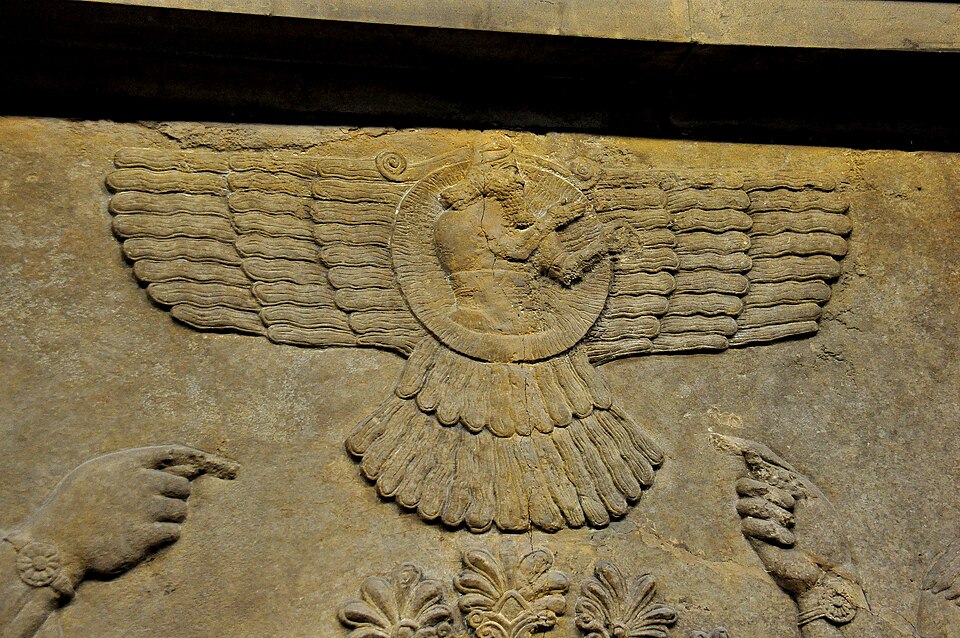
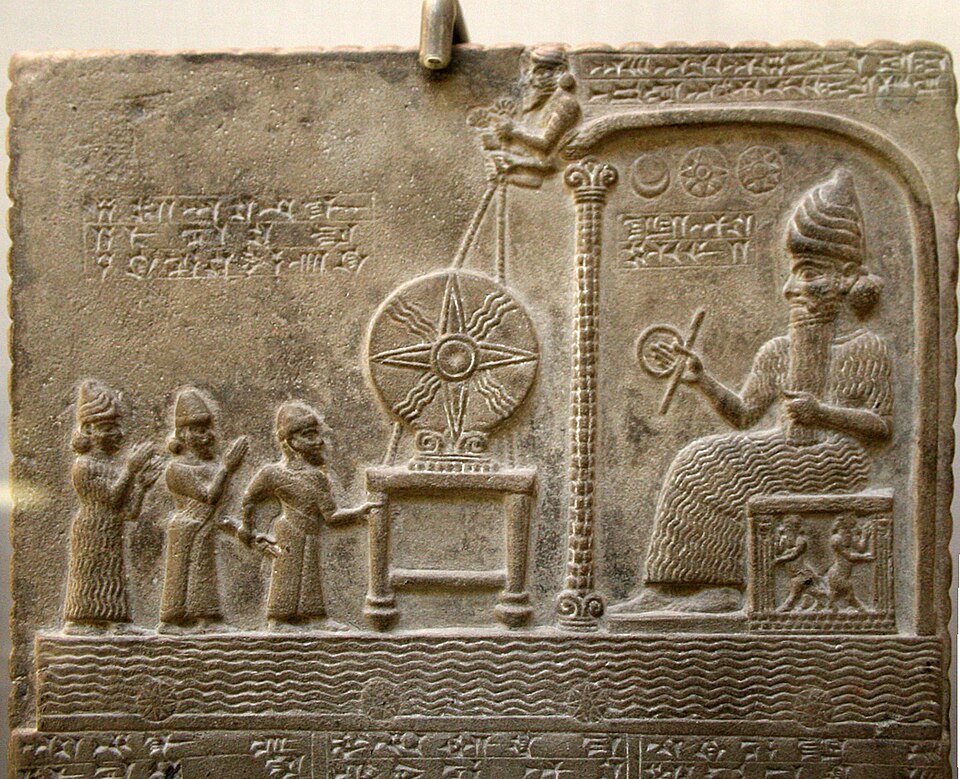
Two great gods of the lands around Israel. The Bible does not name them, but their pictures are among the best-known of the gods of that time.
The Bible does not name Ashur as a god. In the Bible, Asshur is the name of a man and of the land of Assyria.

The Bible does not name Shamash. Shamash was the sun god; the Bible’s Hebrew word for the sun is shemesh. The verses below speak of the worship of the sun.
“And he took away the horses that the kings of Judah had given to the sun, at the entrance of the house of Jehovah, by the chamber of Nathan-melech the chamberlain, which was in the precincts; and he burned the chariots of the sun with fire.”
2 Kings 23:11 (ASV). Open the verse
“they were worshipping the sun toward the east”(Ezekiel 8:16). Open the verse

Every verse and every quoted phrase is from the American Standard Version (1901), copied by machine.
The names, their Hebrew and Greek letters, and the verses that name them come from STEPBible’s list of proper names (TIPNR). Meanings come from BDB and Strong’s, as on the Names of People cards.
A few facts from outside the Bible for the main gods, in Open Scroll’s own words. Each names the source it was checked against: Encyclopaedia Britannica, UNESCO, The Jewish Encyclopedia (1906).
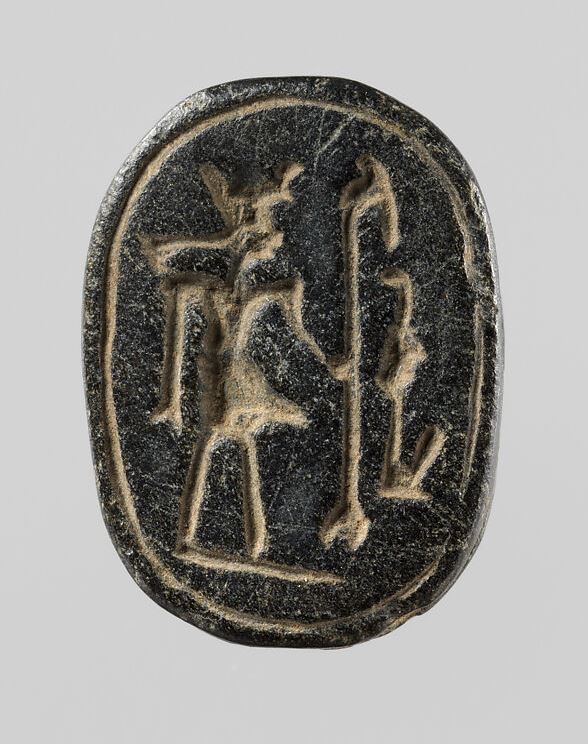
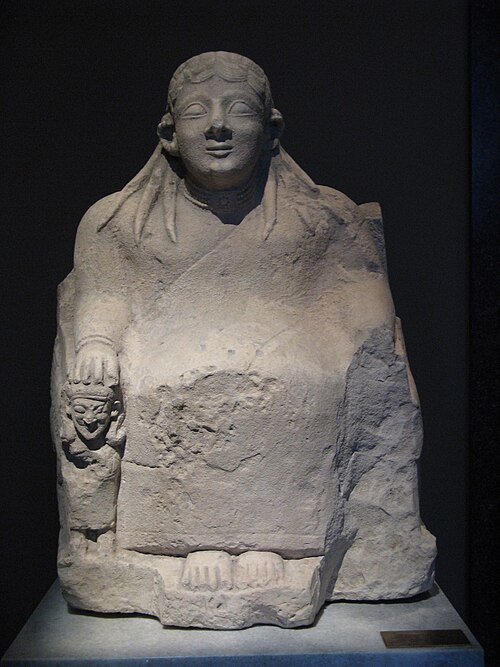
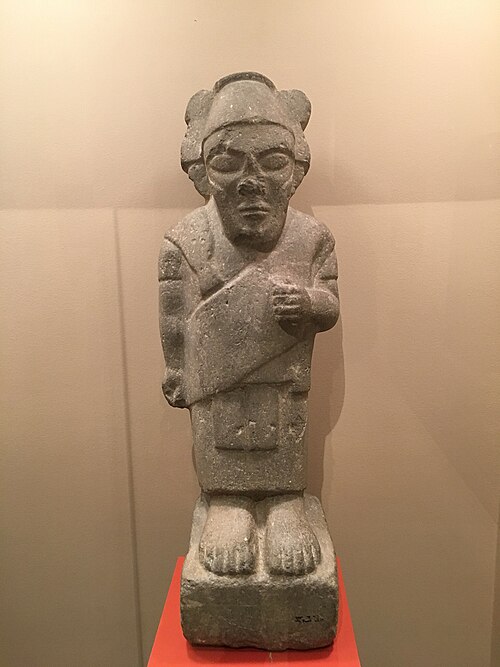
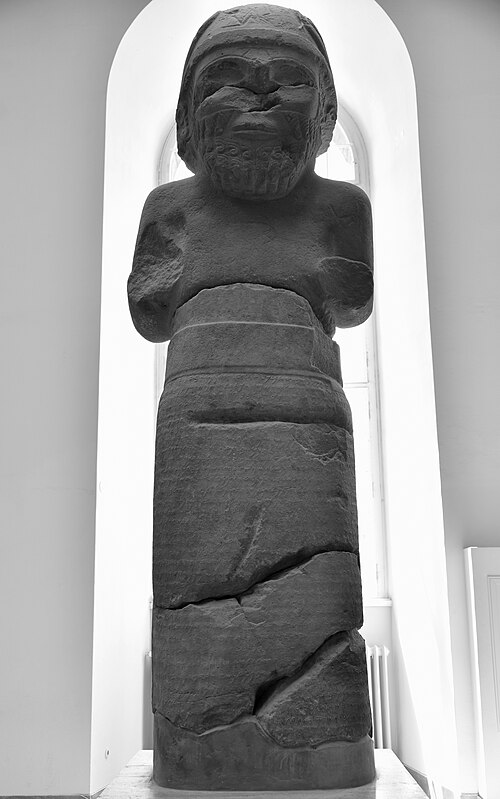
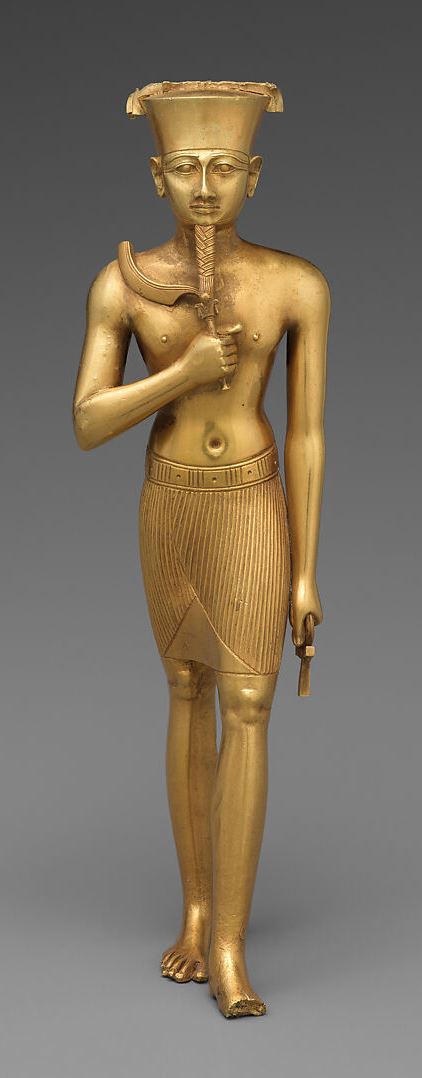
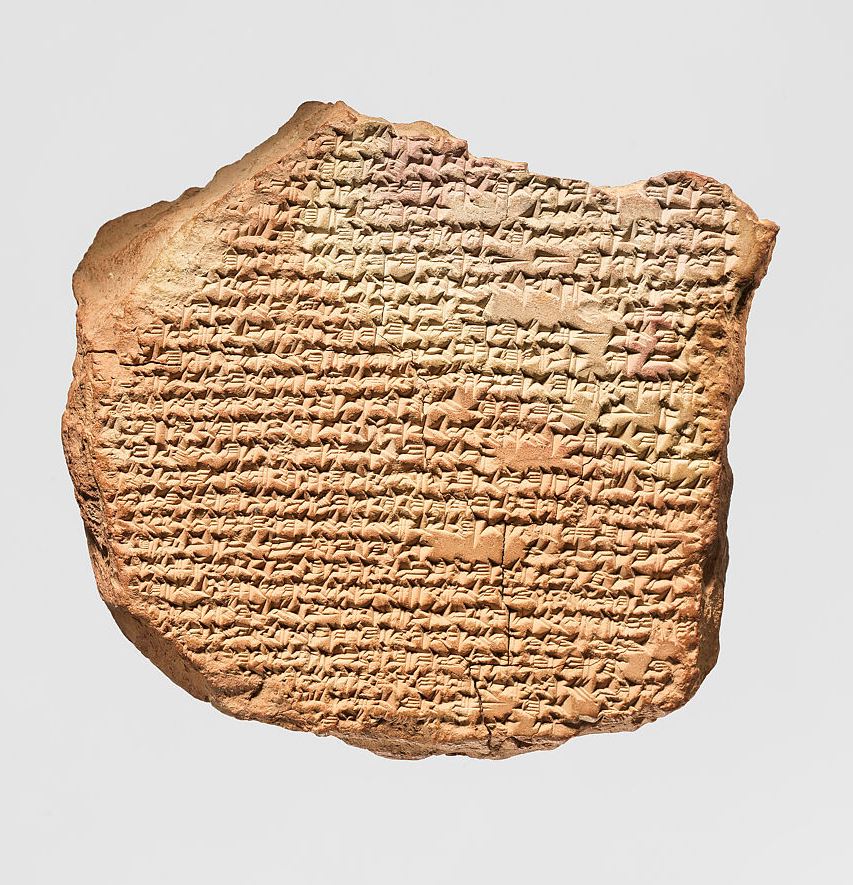
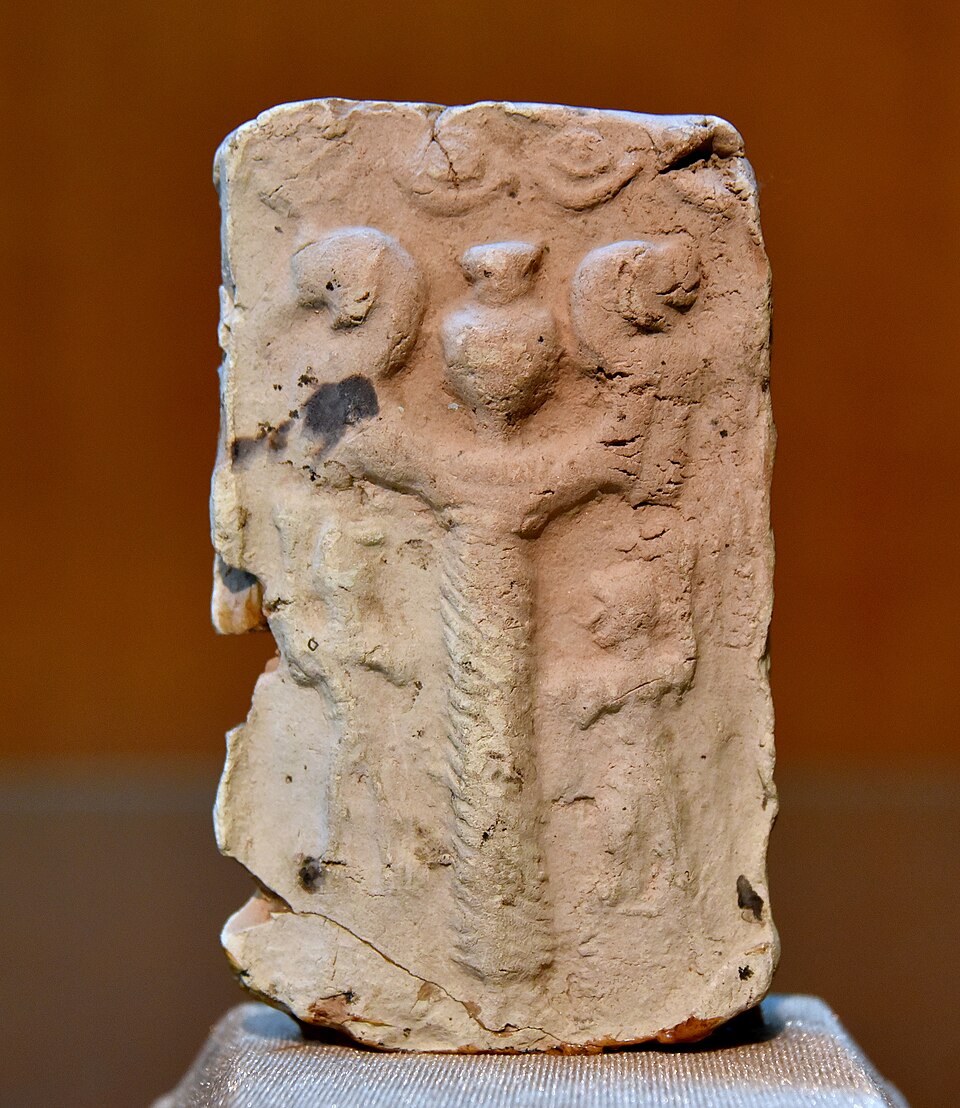
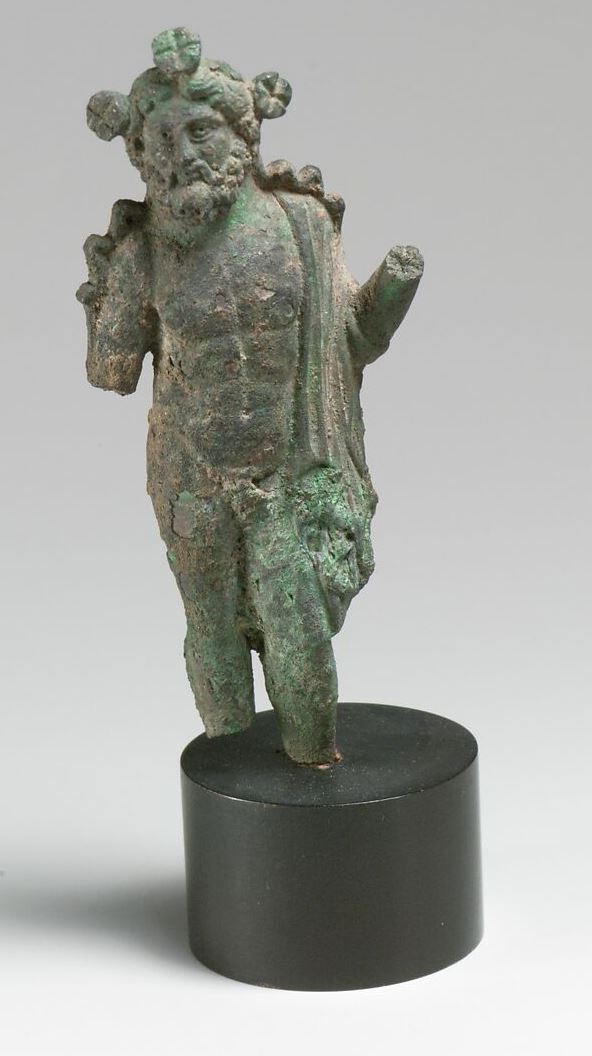
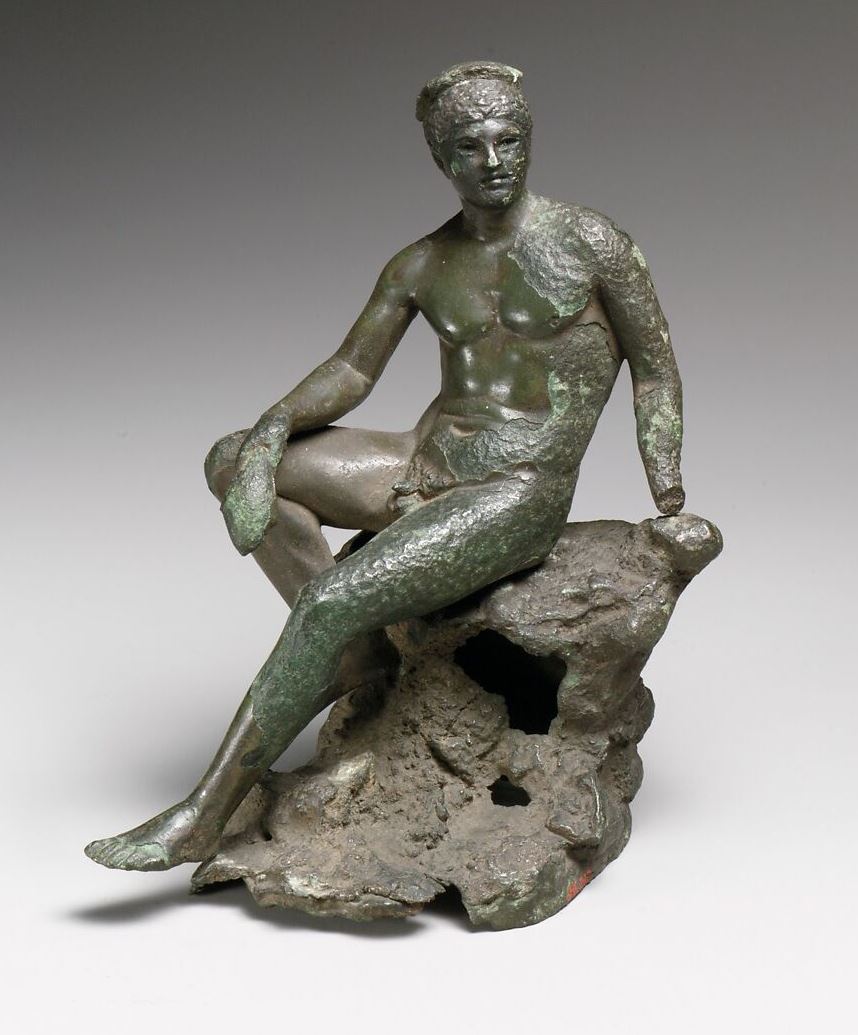
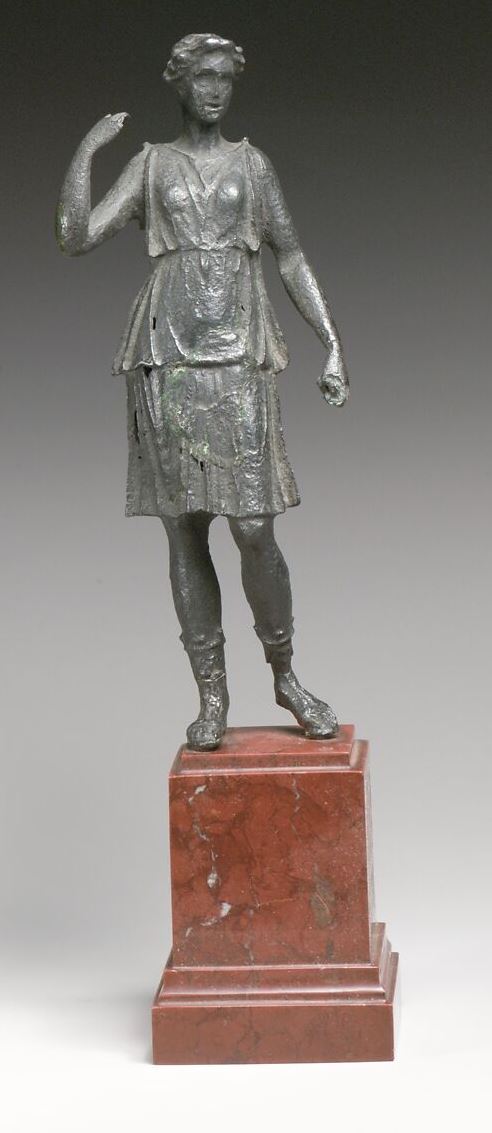
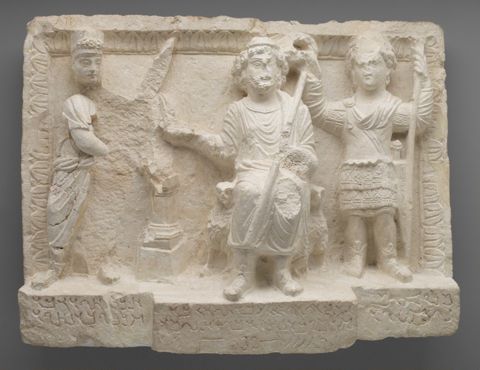
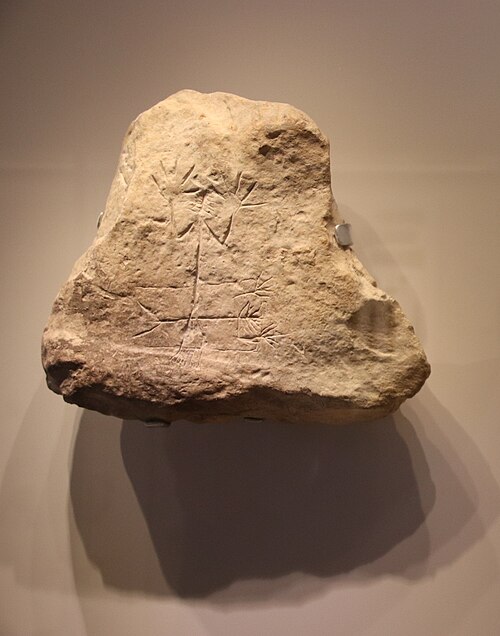
Where a museum’s own label names the god, a photograph of the real ancient object, from The Metropolitan Museum of Art (Open Access, public domain).
Where a dictionary prints God’s name in English letters, this page writes YHWH. The Hebrew letters stay as the dictionary prints them.